Cary Hokama and the Art of the Sovereign Story
After years of letting gatekeepers script his narrative, the Summerlin creative took hold of the lens to build a multifaceted life.
Featuring Cary Hokama · November 18, 2026 · 1,037 reads
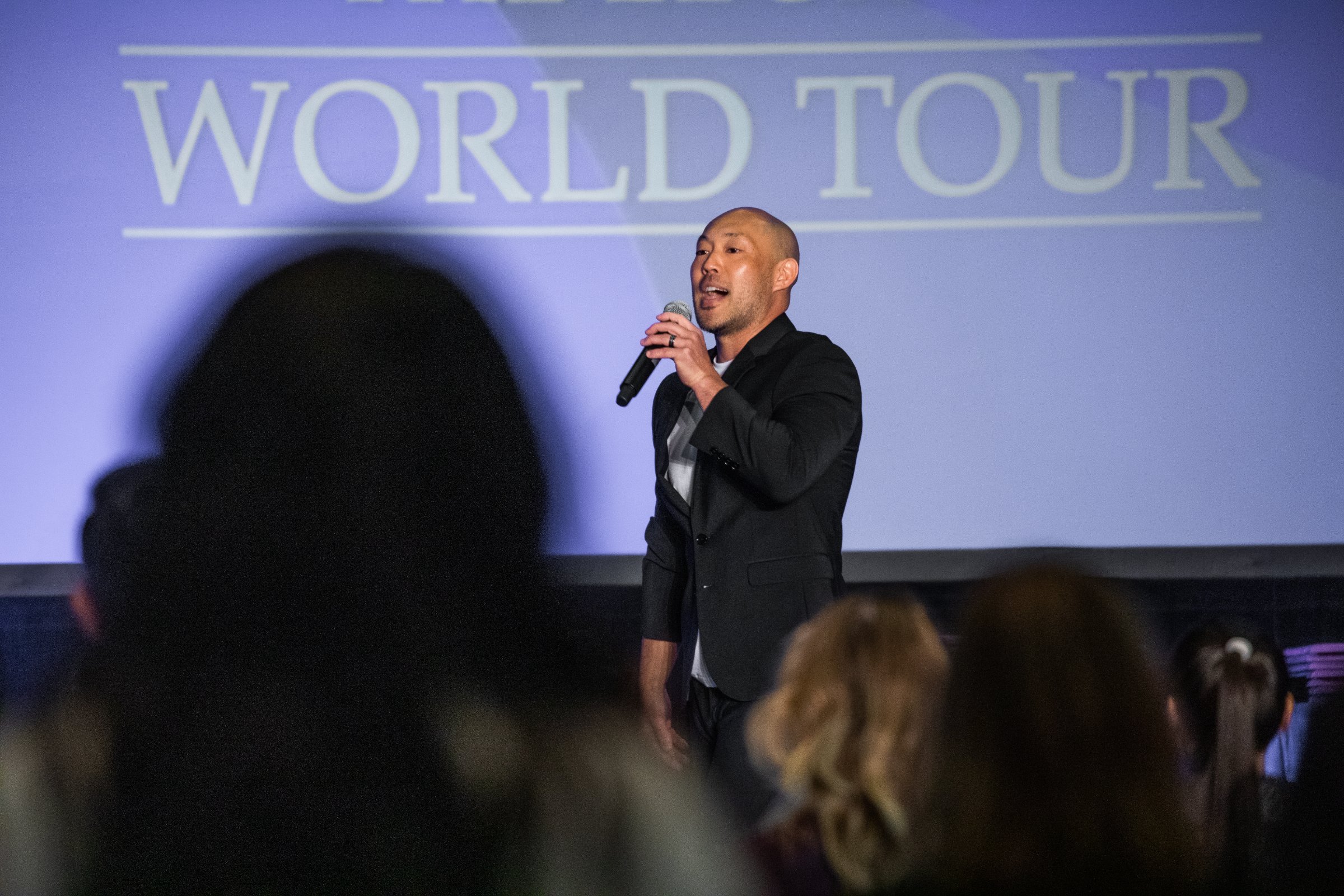
“I want to reach the end of it knowing I used up all my fuel living the one life I had.”
There is a singular disorientation that occurs when national television broadcasts a version of your character you do not recognize. When Cary Hokama agreed to have his wedding televised on the Oprah Winfrey Network, he expected a public celebration of love. Instead, through the distorting prism of reality television editing, he found himself cast as the villain of the broadcast. The subsequent fallout was swift and destabilizing, bringing harsh criticism from strangers and strain within his personal circle. It was an excruciating lesson in modern optics, but it delivered a clarifying truth that would redirect the entire trajectory of his adult life: whenever you allow someone else to hold the editorial pen, you forfeit control over your own story.
That turning point was not an isolated incident; it was the sharpest culmination of a lesson Hokama had encountered for years. Long before he stepped in front of television cameras, he had spent nearly a decade grinding on stage, learning how the marketplace handles nuance and identity. Today, as a creative director, filmmaker, podcast host, coach, and real estate investor based in Summerlin, Hokama operates with the disciplined self-possession of someone who has methodically reclaimed every square inch of his personal sovereignty.
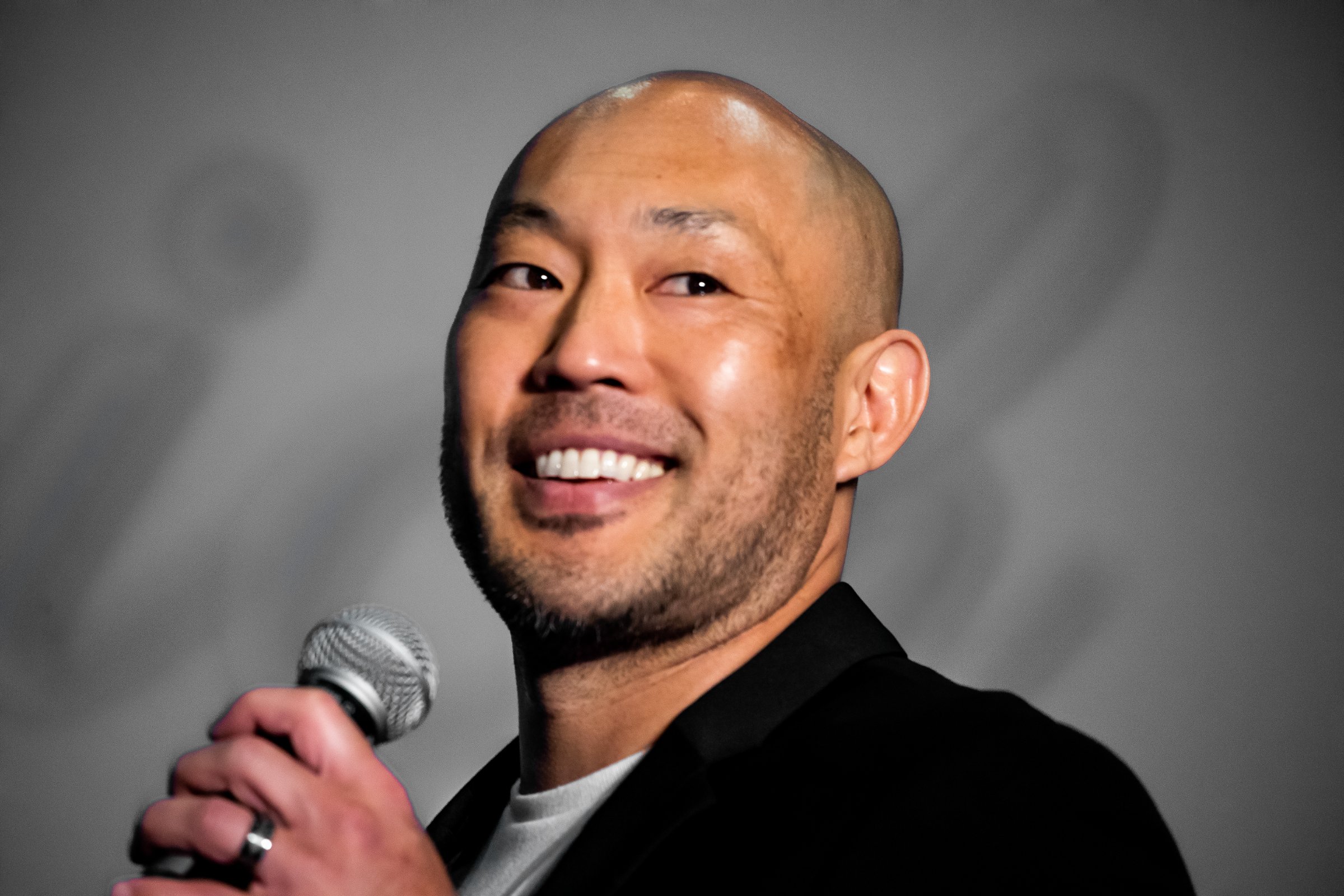
Rejections, Edits, and the Hard Lessons of Narrative
For eight years, Hokama poured his youth and ambition into life as the frontman of an alternative rock band. He lived the relentless circuit of rehearsals, van rides, and showcase performances, seeking the elusive validation of major label brass. Yet the response from music executives was uniformly dismissive. The band was labeled unmarketable, an assessment Hokama recognized as code for industry discomfort with an Asian American lead singer standing center stage in the early 2000s.
The music business taught him an unvarnished reality about craft and commerce. Raw vocal talent and heartfelt performance meant little if the gatekeepers could not fit the artist into a predetermined demographic box. Craft mattered deeply, but positioning, enterprise, and institutional prejudice mattered just as much. When the band ultimately dissolved, Hokama refused to internalize the rejection as an identity, choosing instead to pivot toward self-mastery, personal fitness coaching, and real estate.
When the television incident struck years later, the pattern repeated itself in high definition. The painful blow underscored what the music industry had merely hinted at: validation cannot be outsourced. If an artist or entrepreneur wants an accurate reflection in the cultural mirror, they must hold the camera themselves.
The Solitary Architecture of the Solo Creator
Recognizing the imperative to own his narrative did not translate into immediate, frictionless execution. For years, Hokama sought collaborators to help execute his larger vision as a speaker, author of the self-development title Own Your Self, and personal development coach. He formed creative partnerships, attempting to construct nimble production crews to document his ideas and expand his reach.
One after another, three separate creative ventures unraveled under the weight of misaligned expectations, differing work ethics, and creative friction. Rather than searching for a fourth crew or bemoaning the unreliability of outside partners, Hokama chose radical self-reliance. He resolved to master every link in the creative supply chain himself.
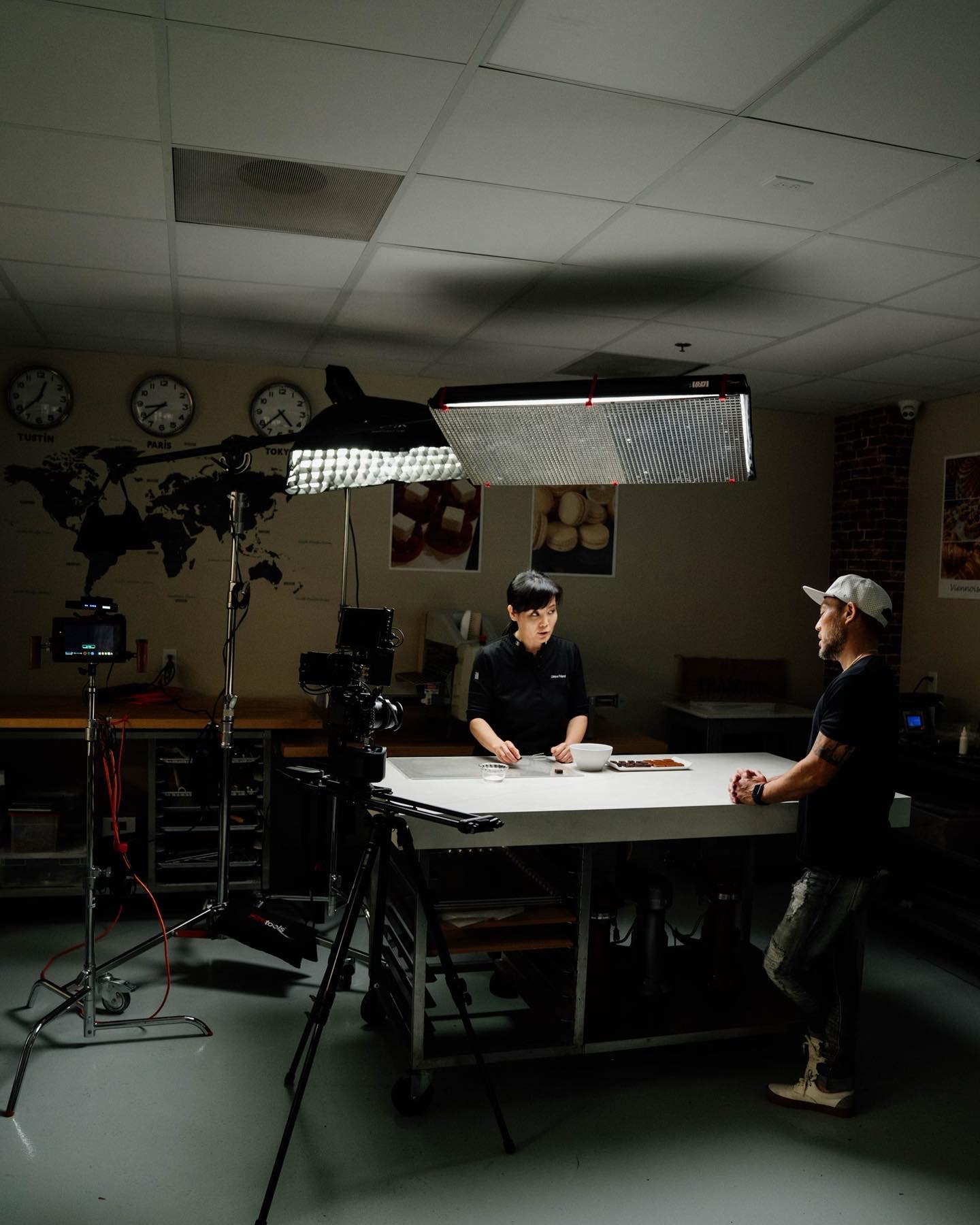
Starting from scratch, he studied the physics of natural light, taught himself camera operations, and spent sleepless nights editing timelines, storyboarding concepts, and mastering the nuances of digital marketing. By 2022, he committed to a lean, one-person creative agency model. He ceased waiting for an ensemble cast and turned himself into a self-contained production studio capable of generating high-caliber cinematic content from concept to final export.
The Rejection That Delivered a Calling
That same commitment to moving forward without guarantees was tested when Hokama threw his energy into an eight-month audition gauntlet for the connected fitness company Tonal. The process was rigorous and exhaustive, stretching across multiple rounds of screen tests, coaching demonstrations, and high-pressure evaluations. He advanced all the way to the final decision gate, only to receive the deflating news that the role had gone to someone else.
Yet, in an industry where doors often slam shut permanently, the executives at Tonal offered a consolation referral to a burgeoning digital fitness platform dedicated to older adults. Hokama accepted the opening without hesitation. What began as a secondary opportunity soon evolved into one of the most profoundly grounding dimensions of his professional existence.
Today, Hokama conducts live, interactive fitness sessions for eighty-five to one hundred seniors across the United States. The work strips away the performative vanity so prevalent in modern fitness culture, replacing it with urgent utility: helping people preserve mobility, maintain independence, and find joy in movement during their later years. "I didn’t wait until I had my whole career mapped out to keep moving," Hokama reflects. What might have been framed as a devastating career defeat instead yielded a sanctuary of daily, unfiltered impact.
Small Steps and Desert Ground
While his professional lanes were rearranging themselves, Hokama and his wife, Aileen, made an equally bold geographic leap. Amid the disorientation of the pandemic, they sold their Los Angeles townhouse and crossed the desert to establish roots in Southern Nevada. They settled in Summerlin, drawn by the expanse, the quiet clarity of the foothills, and the chance to write a clean chapter on their own terms.
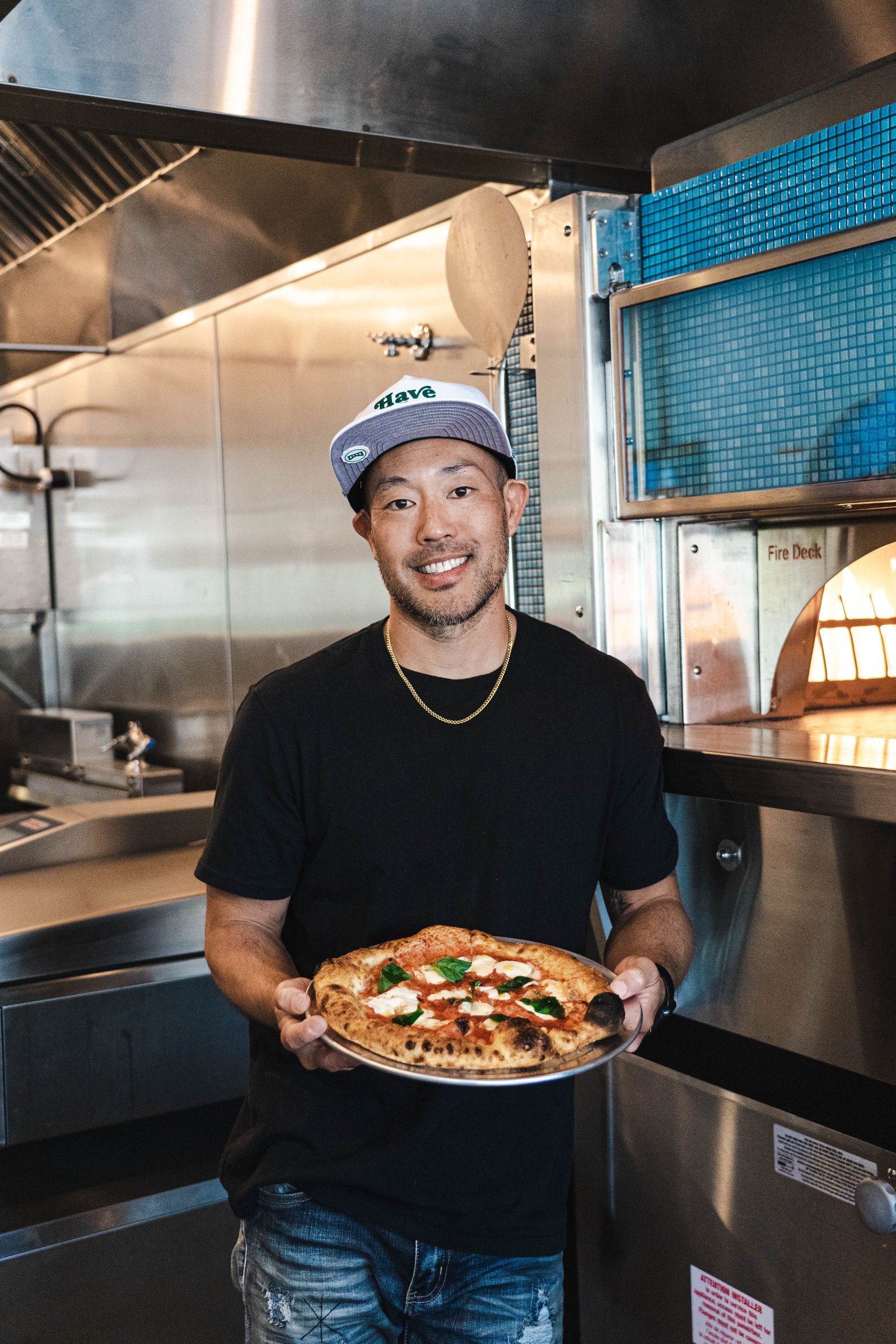
Rather than launching an aggressive promotional campaign upon arrival, Hokama applied the Japanese operational philosophy of Kaizen—continuous, incremental progress through tiny, disciplined actions. He packed his camera gear and walked into neighborhood businesses, offering to shoot short, artistic video portraits of chefs and restaurant owners. Some videos were made simply as neighborly favors; others were exchanged for a warm meal or basic services.
By releasing useful, polished work without demanding instantaneous commercial windfalls, Hokama seeded relationships across the valley. The humble trades soon blossomed into lucrative production contracts with luxury hospitality brands, entertainment enterprises, and venture-backed startups. The deliberate strategy validated his core creative premise: when you reliably solve problems for one person without grandiosity, the compound interest of good work eventually commands its own marketplace.
The Emergence of the Story Samurai
From 2016 through 2020, Hokama sat behind the microphone of an interview-based podcast, dissecting the minds of high-profile entrepreneurs, cultural icons, and corporate heavyweights. Over four years, he built a reputation as an attentive, discerning listener. Yet as the decade turned, a sense of creative restlessness took hold. He realized he had spent years constructing a pedestal for other people's philosophies while keeping his own hard-won perspectives locked in the vault.
In 2025, that tension produced The Story Samurai. Conceived as an intellectual and philosophical haven for quiet, growth-minded nonconformists, the podcast shifted Hokama from deferential interrogator to sovereign practitioner. Drawing from his background as a Brazilian jiu-jitsu brown belt, seasoned creator, and former touring musician, he uses the platform to teach others how to balance technique with philosophical clarity.
In the martial art of jiu-jitsu, survival depends on remaining completely composed under extreme, physical duress, reading leverage, and refusing to panic when compressed into tight corners. Hokama treats storytelling through that exact prism. Whether directing a commercial shoot for a global brand or scripting an essay on self-determination, the craft is an exercise in stripping away excess, enduring the pressure of the blank canvas, and executing with poise.
Life Without the Content Filter
For most of his twenties and thirties, Hokama measured achievement through the standard metrics of visibility: wealth, recognition, and public affirmation. But watching friends and family members age and pass away over the years dismantled that framework, replacing commercial vanity with an acute awareness of mortality. The existential questions he now poses are simple and unyielding: Why not? If not now, when?
Success is no longer indexed to public notoriety. Instead, it is measured by temporal autonomy, financial resilience, and the capacity to extend quiet generosity to those he cherishes. He envisions an expansive future with Aileen—traveling across continents, encountering strange landscapes, and absorbing foreign perspectives without the compulsive urge to convert every sunset and quiet dinner into broadcastable social media collateral.
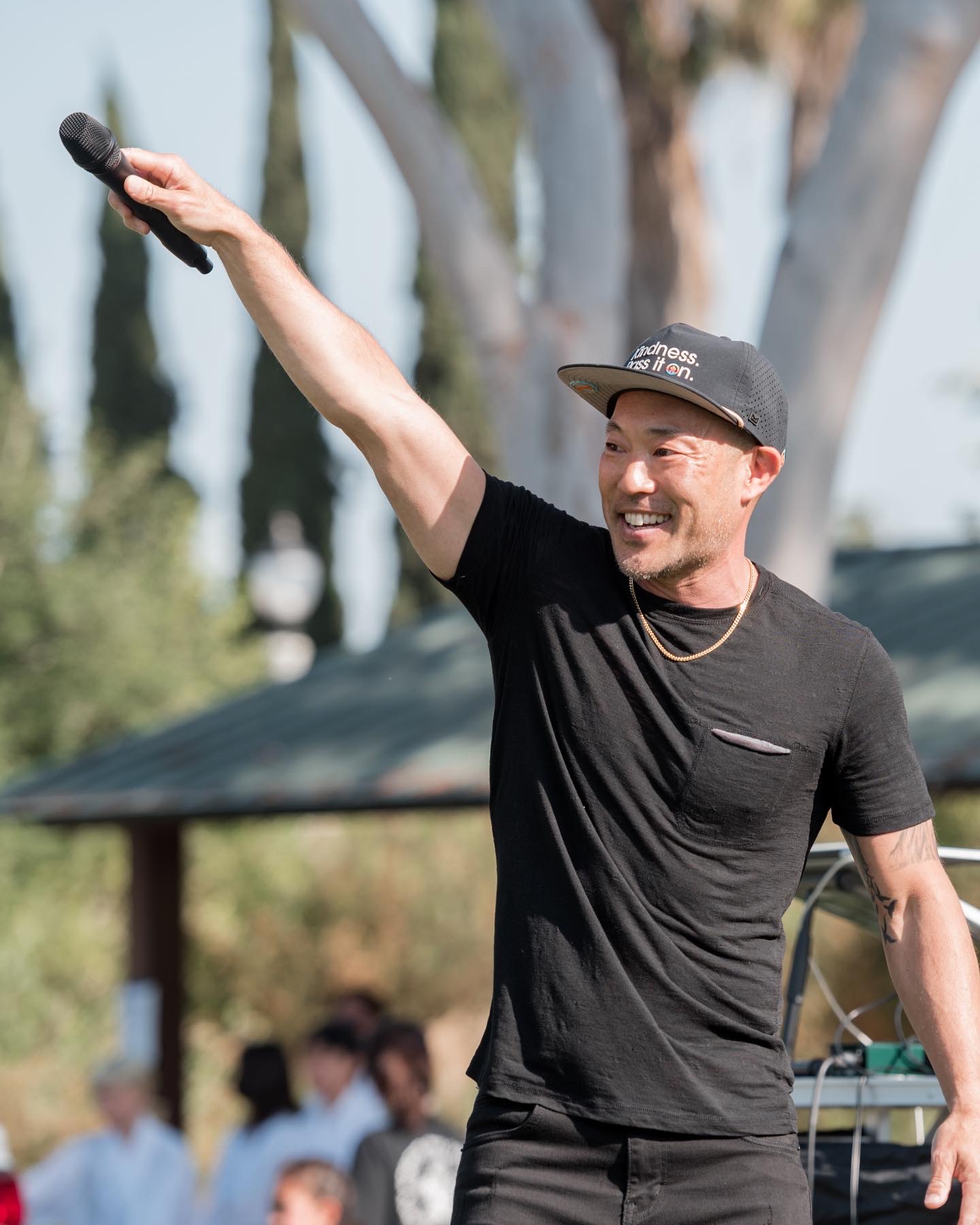
Today, his life is an integrated ecosystem: directing artistic narratives for major brands, hosting The Story Samurai, conditioning older bodies for healthy longevity, and stewarding capital through real estate. No single venture defines him; rather, each pillar reinforces his core desire for creative autonomy. "I want to reach the end of it knowing I used up all my fuel living the one life I had," he says. Having survived the distorting edits of label executives, television directors, and life's inevitable detours, Cary Hokama has finally claimed total ownership of his canvas, filling every frame with purpose.
About Cary Hokama
Cary Hokama is a Summerlin-based creative director, filmmaker, and entrepreneur. He is the author of "Own Your Self", host of "The Story Samurai" podcast, an online fitness coach, and a jiu-jitsu brown belt.